Article

Unlock Startup Success: Essential Traits of a Top-Tier Leadership Coach for Founders

May 25, 2024

7 ideal characteristics of a leadership coach for startup founder

Unlock Startup Success: Essential Traits of a Top-Tier Leadership Coach for Founders

In the high-pressure world of startups, the role of a leadership coach is crucial in guiding founders through the complex and often tumultuous journey of building a successful company. The ideal leadership coach for startup founders should possess a blend of experience, empathy, and strategic insight. Here are the key characteristics that make an effective leadership coach for startup founders:


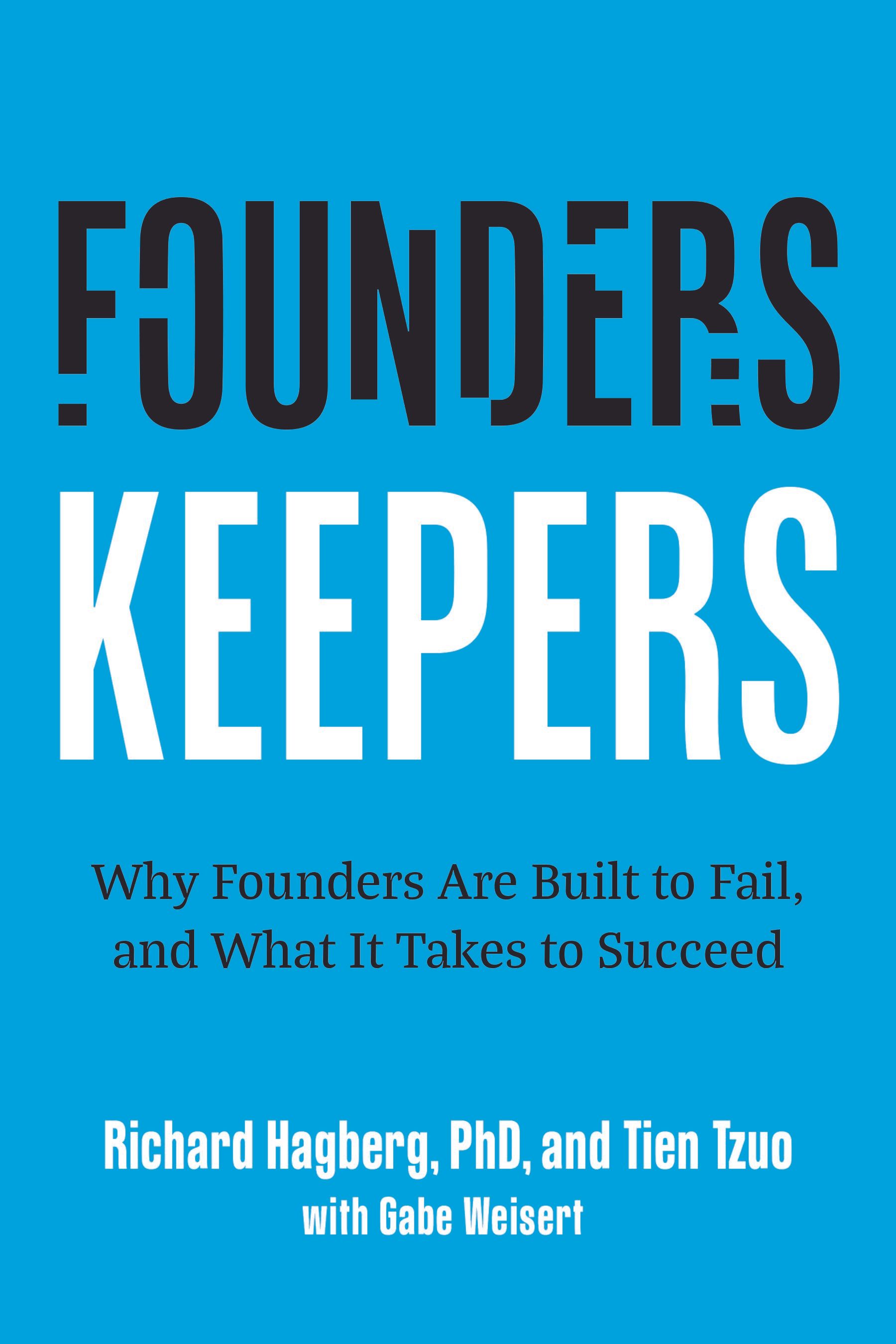
  1. Deep Understanding of Startup Dynamics  A leadership coach should have a profound understanding of the unique challenges and dynamics of startups. This includes the ability to navigate the fast-paced, high-risk environment that startup founders operate in. Coaches like Richard Hagberg, who have extensive experience in Silicon Valley, understand the critical phases of startup growth and the common pitfalls founders face.
  2. Empathy and Emotional Intelligence  Empathy is a cornerstone of effective coaching. A great coach demonstrates genuine interest in the personal and professional growth of the founder. They should be able to build trust and foster a safe environment where founders feel comfortable sharing their struggles and vulnerabilities. Emotional intelligence helps coaches to connect with founders on a deeper level, providing support that is both compassionate and constructive.
  3. Ability to Provide Honest and Direct Feedback  Founders need coaches who can deliver honest and direct feedback without sugarcoating the truth. This involves identifying the core issues and underlying problems that may not be immediately apparent. Coaches who can cut through the noise and focus on what truly matters are invaluable. This directness helps founders to address their weaknesses and leverage their strengths more effectively.​
  4. Strategic Thinking and Problem-Solving Skills  An effective leadership coach should possess strong strategic thinking and problem-solving skills. They help founders to develop a clear vision and actionable strategies to achieve their goals. This involves guiding founders through complex decision-making processes, helping them to anticipate challenges and devise solutions proactively.
  5. Balancing Support and Challenge  A great coach knows how to balance support with challenge. They provide the encouragement and motivation founders need while also pushing them to step out of their comfort zones and tackle difficult issues. This balance ensures that founders grow not only in their leadership capabilities but also in their personal resilience and adaptability​.
  6. Data-Driven Insights and Experience  Leveraging data and empirical evidence is a powerful tool for leadership coaches. Coaches like Richard Hagberg use extensive data sets and research to inform their coaching practices, offering founders a clear picture of their strengths and areas for improvement based on concrete metrics and feedback.
  7. Inspirational and Motivational Skills  Lastly, an effective coach must be inspirational. They should be able to motivate founders to pursue their vision with passion and commitment. This involves instilling a sense of purpose and direction, helping founders to see the bigger picture and stay focused on their long-term goals​.


The ideal leadership coach for startup founders is one who combines deep industry knowledge with empathy, directness, strategic insight, and motivational prowess. Such coaches not only guide founders through the technical aspects of leadership but also support their personal development, ensuring they grow alongside their companies. By fostering a balance of support and challenge, these coaches help founders to navigate the complexities of startup life and achieve sustainable success.


Discover the transformative power of Dr. Rich Hagberg's leadership coaching, rooted in data-driven analysis. With decades of experience, Dr. Hagberg excels in enhancing self-awareness, balancing strengths and weaknesses, and fostering effective decision-making. His tailored approach helps founders build strong teams and navigate growth challenges seamlessly. Ready to elevate your leadership skills and drive your startup to success? 


Learn more about Dr. Rich Hagberg's coaching services or contact him today to start your journey.

share this

Related Articles

Related Articles
The Courage to Confront: How Real Leaders Balance Candor and Care
By Rich Hagberg December 16, 2025
(Part 2 of The Best Leaders Playbook — Building Trust Systems Series)
Integrity as an Innovation Strategy: Why Moral Clarity Drives Creativity, Not Just Compliance
By Rich Hagberg December 9, 2025
(Part 1 of The Best Leaders Playbook — Building Trust Systems Series)
Greatness Lies in the Contradictions: How the Best Leaders Integrate Opposites Instead of Choosing S
By Rich Hagberg December 2, 2025
The Leadership Tightrope If you lead long enough, you start to realize something uncomfortable: everything that makes you effective also threatens to undo you. Your drive becomes impatience. Your confidence becomes stubbornness. Your empathy turns into guilt. The longer you lead, the more you realize that the job isn’t about choosing one trait over another — it’s about learning to carry both. That’s what maturity looks like in leadership. It’s not balance. It’s tension well managed. The False Comfort of Either/Or Most leaders crave clarity. We want rules. Playbooks. Certainty. Should I be tough or kind? Decisive or collaborative? Visionary or practical? The insecure part of the brain hates contradiction. It wants the “right answer.” But leadership lives in the messy middle — the place where both truths exist, and neither feels comfortable. The best leaders aren’t either/or thinkers. They’re both/and navigators. A Story from the Field I once coached a CEO who told me, “I’m torn between holding people accountable and being empathetic.” I said, “Why do you think those are opposites?” He paused, then laughed. “Because it’s easier that way.” Exactly. It’s easier to pick a lane than to learn how to drive in two at once. He eventually realized the real question wasn’t which side to choose, but when and how to lean into each. He became known as “the fairest tough boss in the building.” That’s the magic of integration — toughness with tenderness, vision with realism, clarity with compassion. Why Paradox Feels So Hard Contradictions feel like hypocrisy when you haven’t made peace with your own complexity. If you believe you have to be one consistent version of yourself — confident, decisive, inspiring — then every moment of doubt feels like fraud. But the truth is, great leaders are contradictory because humans are contradictory. You can be grounded and ambitious, humble and proud, certain and still learning. The work is not to eliminate the tension — it’s to get comfortable feeling it. The Psychology Behind It Our brains love binaries because they make the world simple. But complexity — holding opposites — is the mark of advanced thinking. Psychologists call this integrative complexity — the ability to see multiple perspectives and blend them into a coherent approach. It’s not compromise; it’s synthesis. It’s saying, “Both are true, and I can move between them without losing my integrity.” That’s where wisdom lives — in the movement, not the answer. Funny But True A client once told me, “I feel like half monk, half gladiator.” I said, “Congratulations. That means you’re leading.” Because that’s what the job demands: peace and fight, compassion and steel. If you can’t hold both, you end up overusing one until it breaks you. The Cost of One-Dimensional Leadership We’ve all worked for the “results-only” leader — brilliant, efficient, and emotionally tone-deaf. And the “people-first” leader — kind, loyal, and allergic to accountability. Both are exhausting. Both create lopsided cultures. When leaders pick a single identity — visionary, disciplinarian, nurturer, driver — they lose range. They become caricatures of their strengths. True greatness comes from emotional range, not purity. The Paradox Mindset Here’s how integrative leaders think differently: They value principles over preferences. They can be decisive without being defensive. They know empathy isn’t weakness and toughness isn’t cruelty. They trade perfection for adaptability. They’re the ones who can zoom in and out — from the numbers to the people, from the details to the meaning — without losing coherence. They’re not consistent in behavior. They’re consistent in values. That’s the difference. How to Practice Both/And Thinking Spot your overused strength. The strength that’s hurting you most is the one you lean on too much. If you’re decisive, try listening longer. If you’re compassionate, try being direct faster. Ask, “What’s the opposite quality trying to teach me?” Impatience teaches urgency; patience teaches perspective. You need both. Invite your opposite. Bring someone onto your team who balances your extremes — not a mirror, a counterweight. Hold paradox out loud. Tell your team, “This decision has tension in it — and that’s okay.” Modeling that normalizes complexity for everyone else. A Moment of Self-Honesty I’ve spent decades watching leaders chase “clarity” like it’s peace. But peace doesn’t come from eliminating tension. It comes from trusting yourself inside it. Once you accept that leadership will always feel contradictory, you stop fighting it — and start flowing with it. You don’t need to be the calmest, toughest, or most visionary person in the room. You just need to be the one who can stay whole while the world pulls you in opposite directions. Your Challenge This Week When you catch yourself thinking, “Should I be X or Y?” — stop. Ask instead, “How can I be both?” Then practice it in one small moment. Be kind and firm. Bold and humble. Fast and thoughtful. That’s where growth hides — in the discomfort between two truths. Final Word The best leaders aren’t balanced. They’re integrated. They’ve stopped trying to erase their contradictions and started using them as fuel. They’ve learned that leadership isn’t about certainty. It’s about capacity — the capacity to hold complexity without losing your center. That’s not chaos. That’s mastery.
ALL ARTICLES